
DK appeared behind me and urged me to come with him quickly. The other two guys in our party were just ahead. We pushed through a light crowd and down to the end of the walkway where a tattered rope hung limply, prohibiting people to pass further.
“Go down there and take a picture”, he said. It was getting dark, and there was a brilliant red hue in the sky surrounding us. As we proceeded, “Usted no puede entrar. Esta cerrado” rang out from behind. “You cannot enter. Its closed”. DK told us to keep going and take some pictures and that he would take care of it.
The closed area was a simple viewing platform with a railed overlook. It was no less safe than the platform 10 feet above. I am not sure why it was closed.
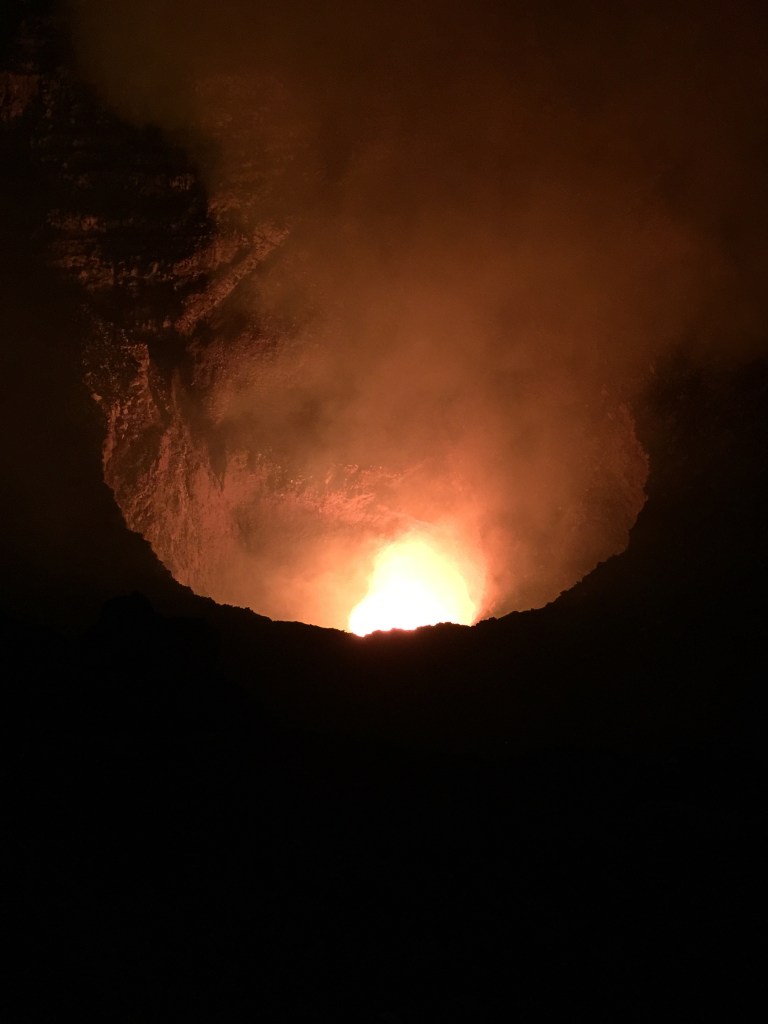
Having escaped the crowd, an amazing sound began to hit my ears. The sound of crashing, churning waves just a few hundred feet below. These waves were something I have eagerly desired to see, and now that they came into view, they were beyond my expectations. I was in pacific Nicaragua. But I was not looking down on the ocean. I was standing on the rim of Volcan Masaya. The waves below were waves of churning lava.


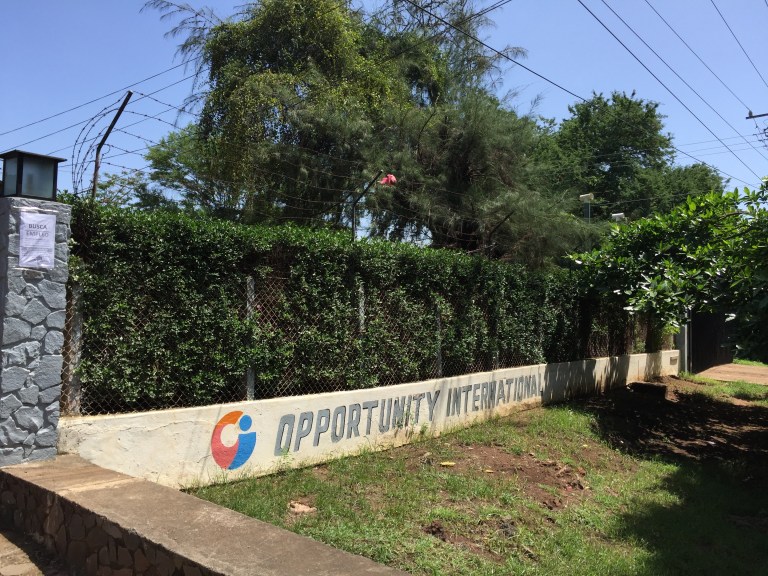
Dk is a new friend. He lives in Nicaragua and runs a non-profit organization focused on Community Economic Development (CED). Their strategy is simple. Leverage the natural gifts and resources of local communities and partner with them to help them alleviate poverty. As communities succeed, work with them to use their newfound “wealth” to further invest in the community.
In the case of Nicaragua, the focus is on agriculture and tourism.
An example. In Nicaragua, yucca is a very commonly farmed good. This organization has identified 60+ communities of yucca farmers to work with.
First, they provide technical assistance, meaning they help farmers gain access to quality seed(s) that may perform better in their soil, they coach on farming techniques, and they help develop seed-providers that can provide better quality seed to the rest of the farming community.
We got a chance to meet a farmer and walk around his land with him. He was very appreciative of all that is being done to help him earn more income.
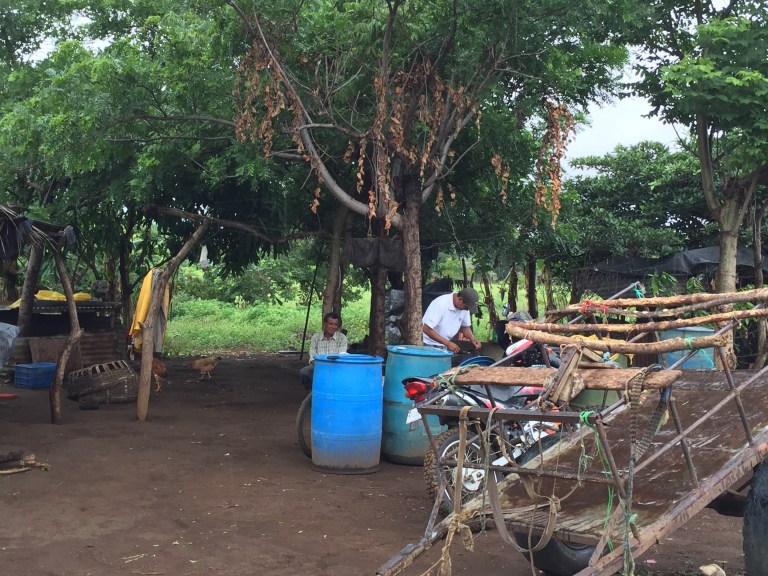

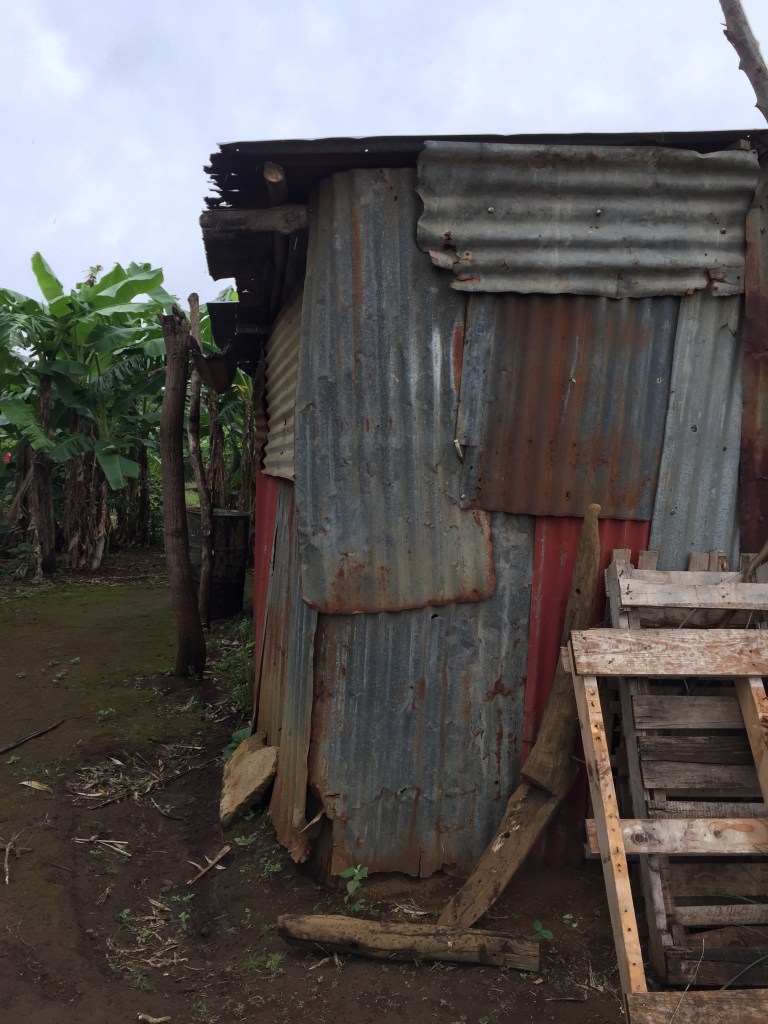
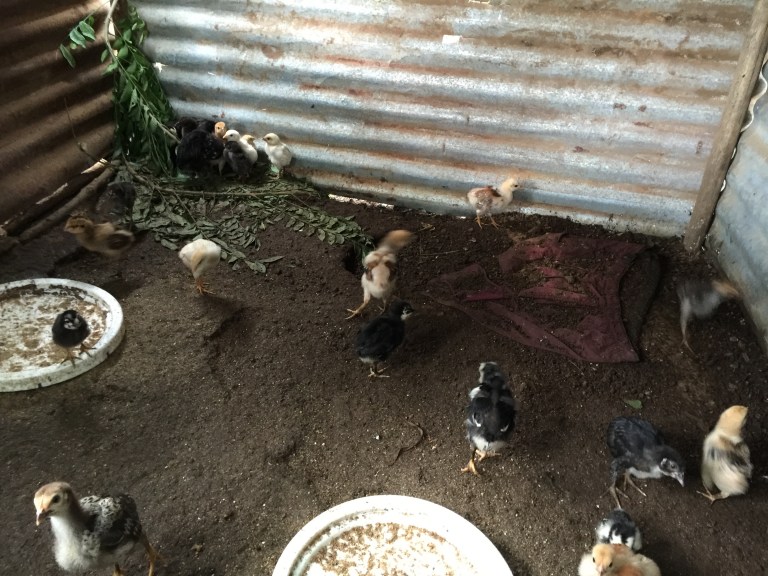
Yucca is, by the way, gluten free.
Second, Opportunity helps provide access to markets for selling the farmer’s yucca crop. They do this by providing a factory that can process yucca into different blends of flower that can then be sold to different consumers such as companies that produce finished food products (like baking mixes, etc) or companies that produce animal feeds. The current market is entirely domestic, but there are opportunities to potentially sell to international markets in the future.
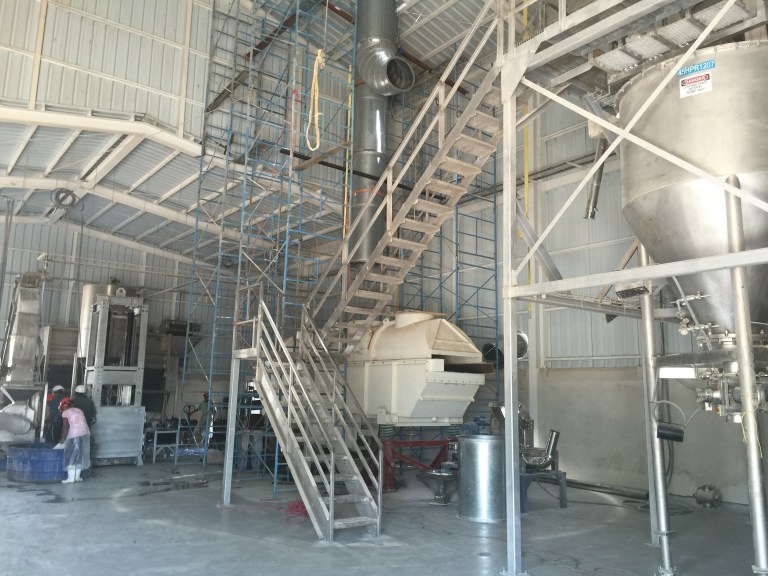
This provides tremendous income opportunity for farmers, who usually see huge improvements in their income from better technique and diminished waste (spoiled un-sold crop). It helps normalize pricing as well since flour can be sold on the market over a wider time period than a raw yucca harvest.
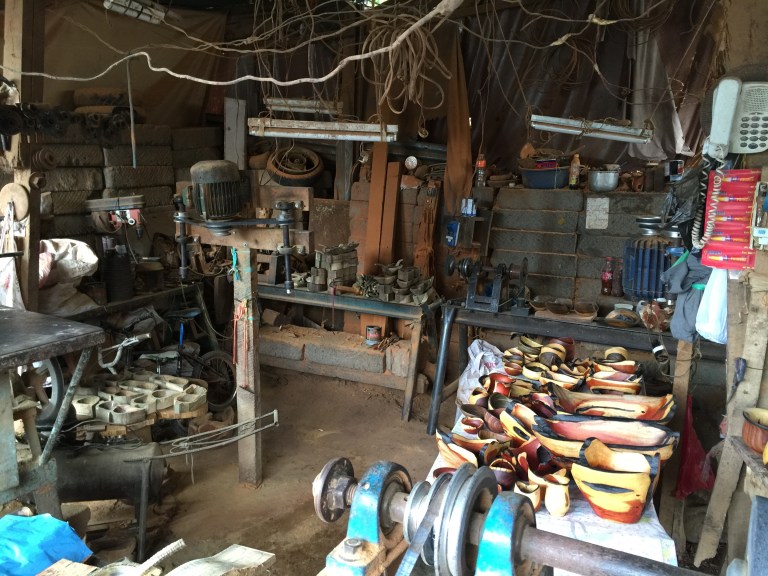
Opportunity also supports local artisans with micro-loans to expand their reach. We visited the shop of a fantastic woodworker. We had a great conversation with him about how he does his work, and then of course had to make a few purchases.
Many of the children of these farmers are now able to attend the private school that Opportunity has created, which is the only school in Nicaragua that can provide both a high school diploma and a technical certificate that certifies the student as ready to work in either agriculture or tourism.
The school is 110% self-sufficient, meaning they are profitable due to a mix of income from tuition, sale of farmed goods (they farm 20+ acres as they educate the students), and an ongoing donation from profits raised in another part of the organization (Ecolodge and Spa). Students studying tourism also have a place to intern; the Ecolodge and Spa. Its a remarkable system that has been created, and the results are only beginning to surface.
The school is really the heart of the entire project. Ending poverty is a long, slow, steady slog. Its unspeakably difficult. It is amazing to see it happening before your eyes. The school is what makes this go big. It will prepare future generations to start in a significantly better position. Students learn to farm many crops, from lettuce to plantains to avacado to, of course, yucca. The farm at the school uses entirely organic means.


I wish I had more pictures, but I misplaced my phone for most of the school visit. I wish I had a picture of the soccer match that was taking place during recess. It was difficult to hold back from jumping in. 😉
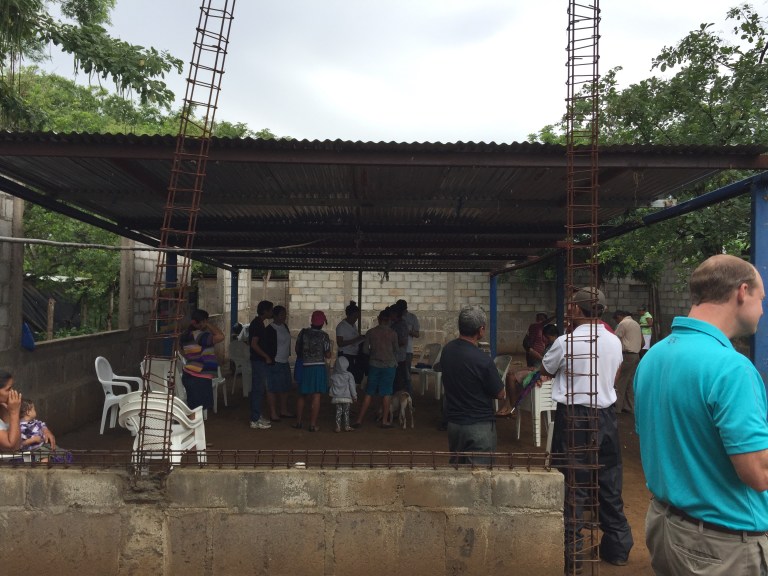
As farmers build wealth, they find other ways to give back. We visited a beautiful community of people who were building their own church, wall by wall as they could afford it.
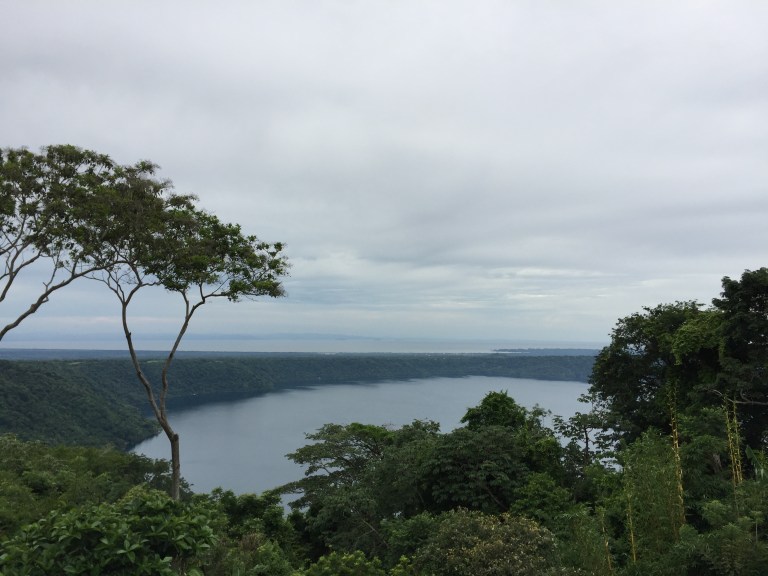
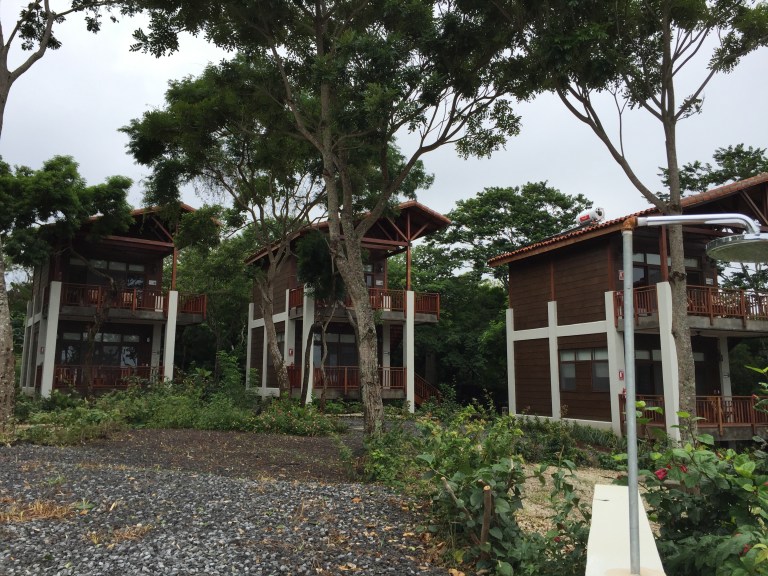
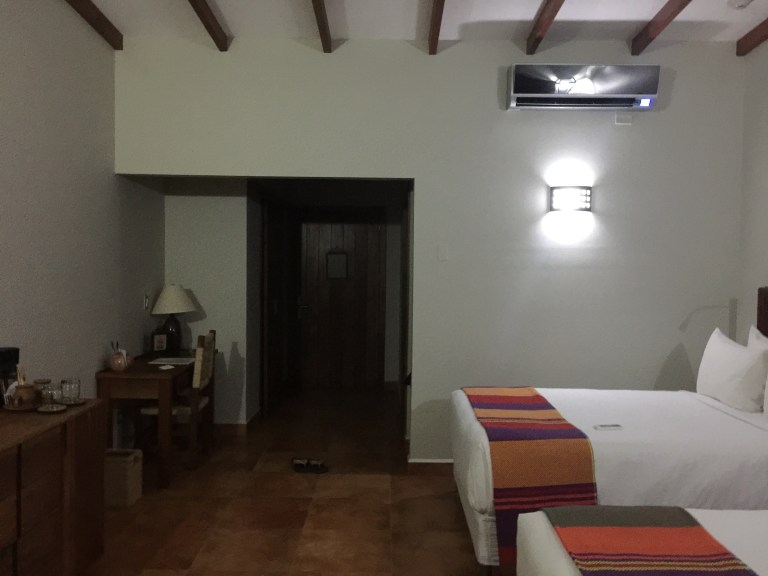
The Pacaya Ecolodge and Spa is a beautiful place. I must recommend you visit there if you ever have the opportunity. It perches upon the edge of the crater of a now extinct volcano. The city of Granada sits below, with the massive Lake Nicaragua (thought by early explorers to be the ocean because of the huge waves) right behind. Your dollars spent at the lodge, where we stayed, provides you luxurious rooms with a local flavor of decoration, fantastic housekeeping services (leave your room for 10 minutes and return to find it impeccable), generous and big-hearted staff, and a significant contribution towards equipping future generations to exit the throws of poverty in pursuit of their dreams.

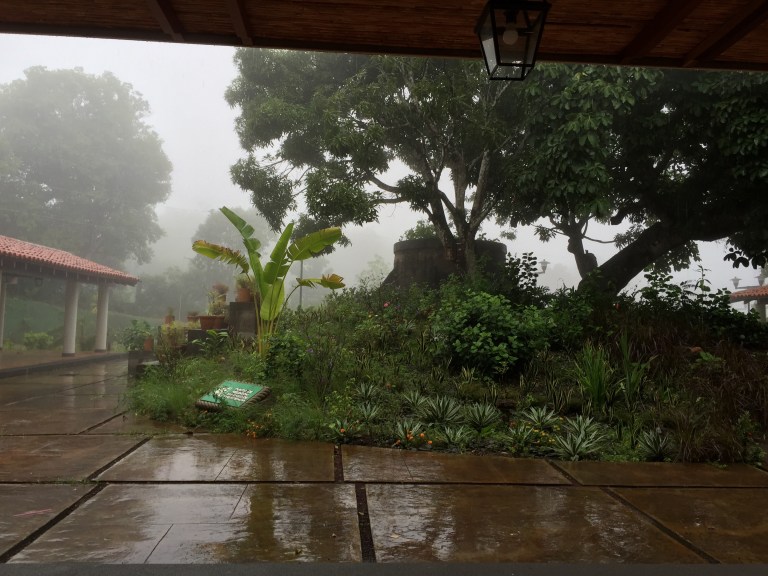
I must break a myth too: the rainy season is not a bad time to visit Nicaragua. It rains occasionally but not much. The weather is beautiful otherwise. It is cooler and less busy. Upon my return to Atlanta, I found it much hotter, and I encountered more mosquitos in my first 30 seconds in my parking deck than in my entire visit to Nicaragua.
My favorite meal in-country was in Granada, which is the oldest continually occupied city in the Americas. The coffee was outstanding. The food was amazing. But the service is what made the visit. Our host (who’s name I did not catch) took the time to explain every detail of our meal, where he got his coffee beans, how he roasted them and what flavors we would find in the coffee.
Granada square at night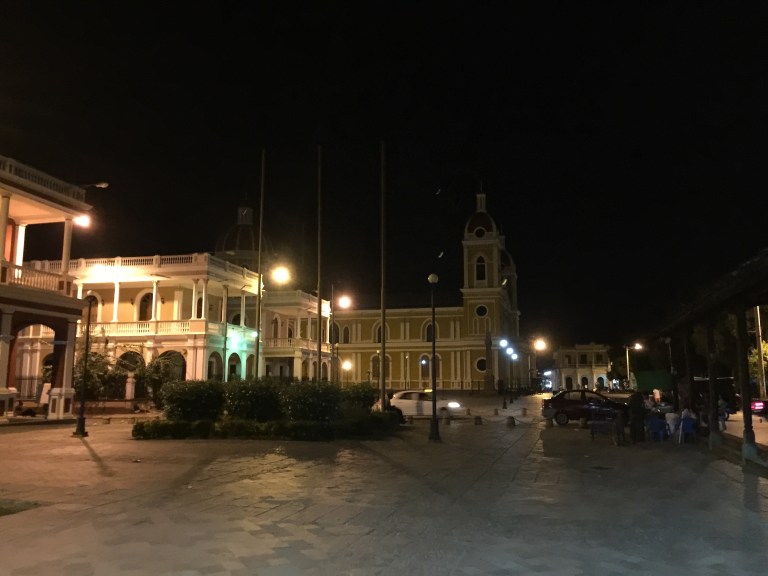
Fantastic espresso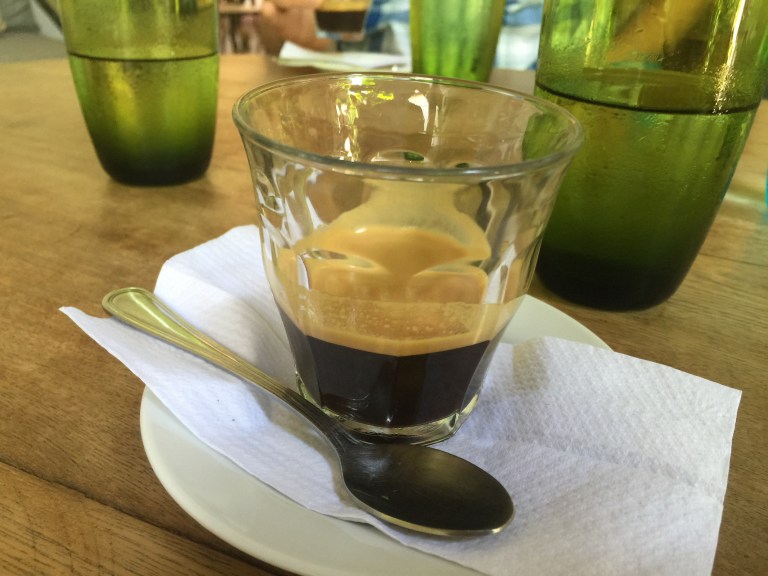
The coffee awaiting grinding/brewing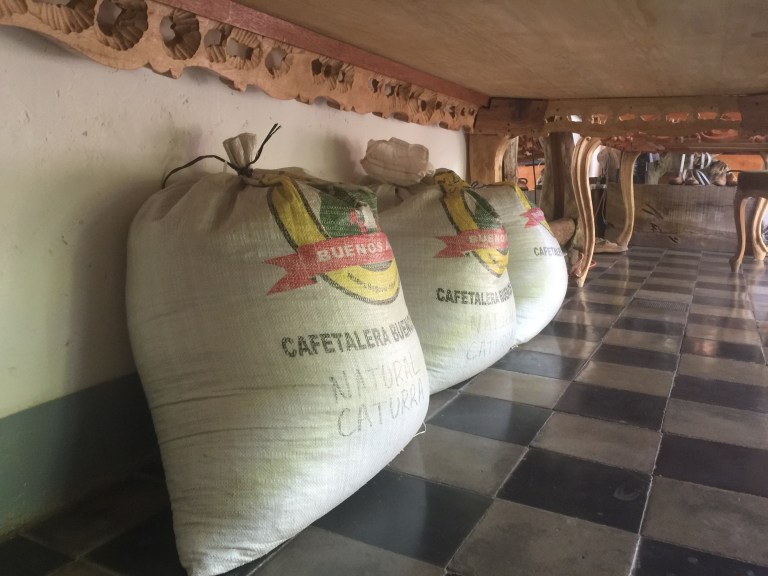
The restaurant where we landed for lunch, beautiful setting
Occhobucco con Tagliatelle Pasta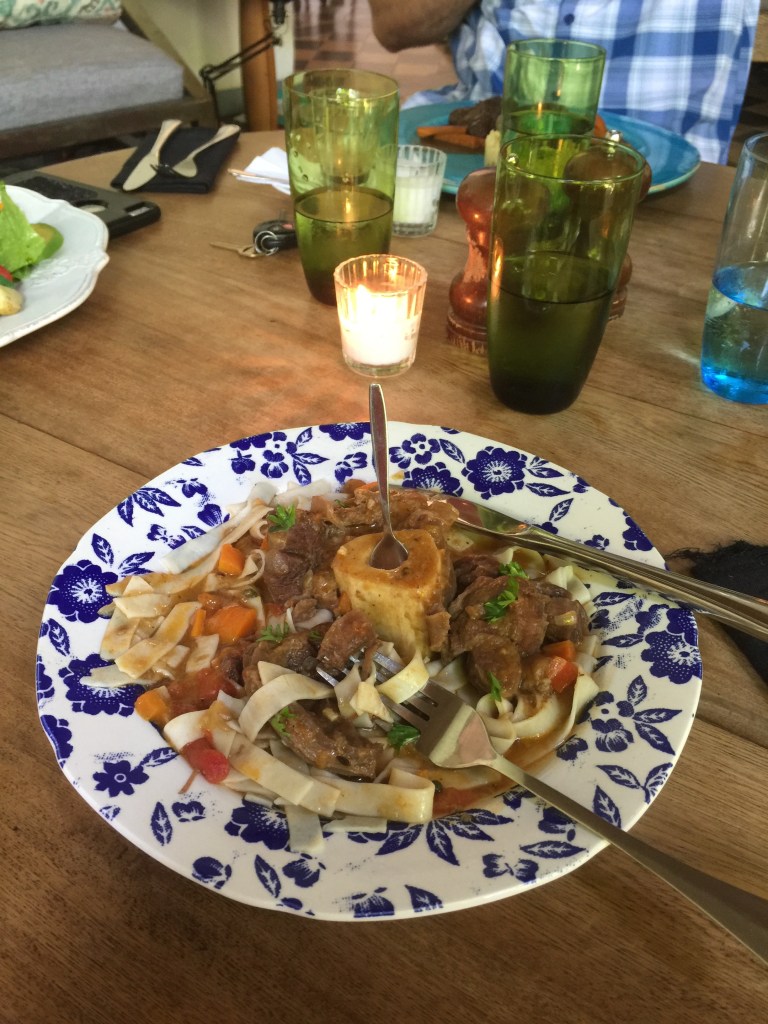
And in case you were wondering, I was in Nicaragua to help with some Enterprise Architecture work. It turns out my craft can be useful there, helping figure out how to solve operational problems by applying simple technology solutions.
So what did I learn from this all?
- Nicaragua is a beautiful country filled with passionate, energetic, hopeful, and amazing people
- Nicaragua is SAFE
- The rainy season is NOT a bad time to visit
- Farming is a far more complex trade than I could ever have imagined
- How automating a factory works
- Software vendors in America are no better/worse than those in Nicaragua
- Toña es muy bien!
- Knowing and depending on your local community can be challenging, but it creates truly beautiful results
- Never be afraid to ask for/fight for what you want
Muchas gracias para llegar!
 Chambers Adventures
Sounds like a great trip! God grows us in unusual ways. However, tell DK that your mom is not happy that he took you so close to an active volcano.
LikeLike
Very cool. Looks like a beautiful place.
LikeLike